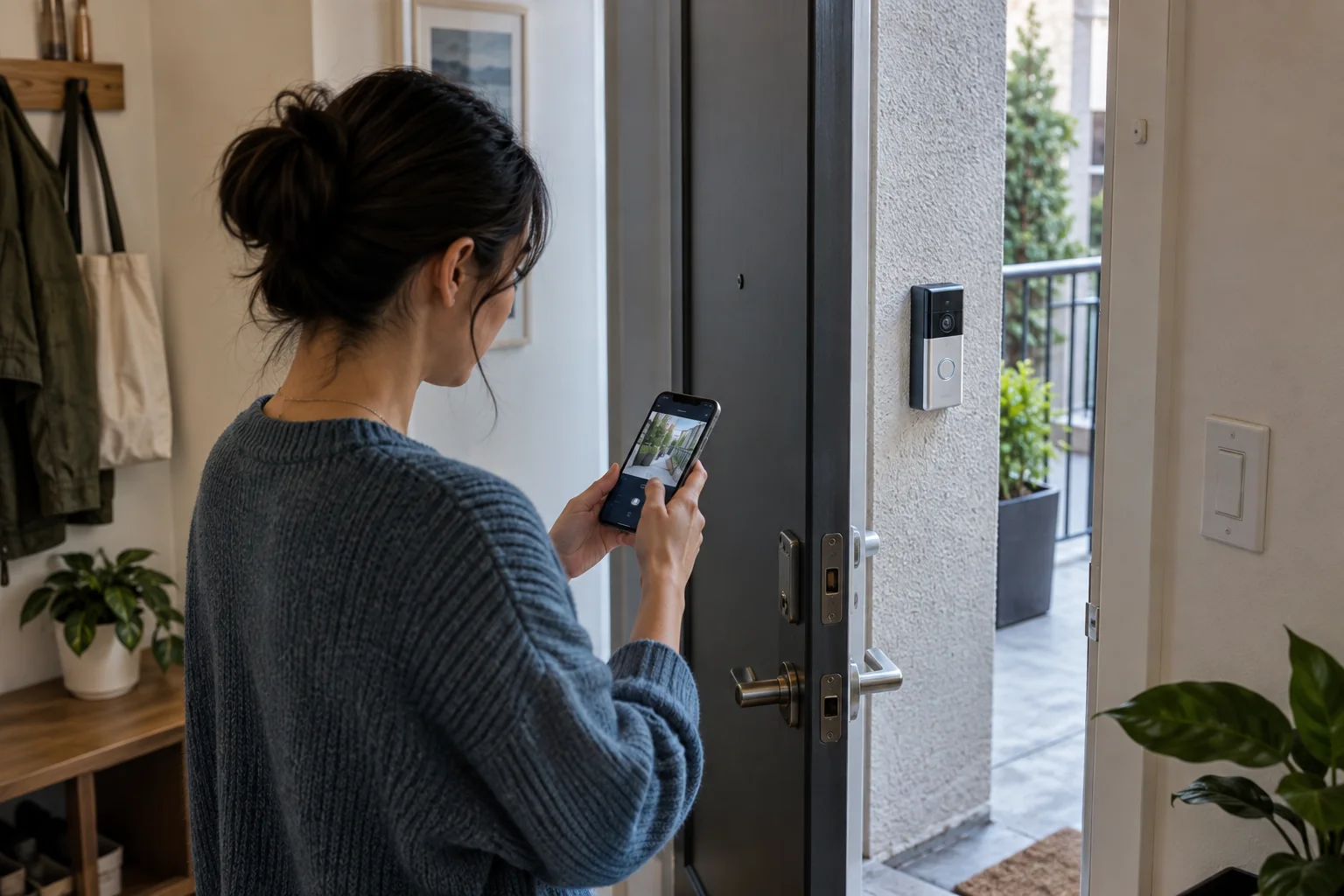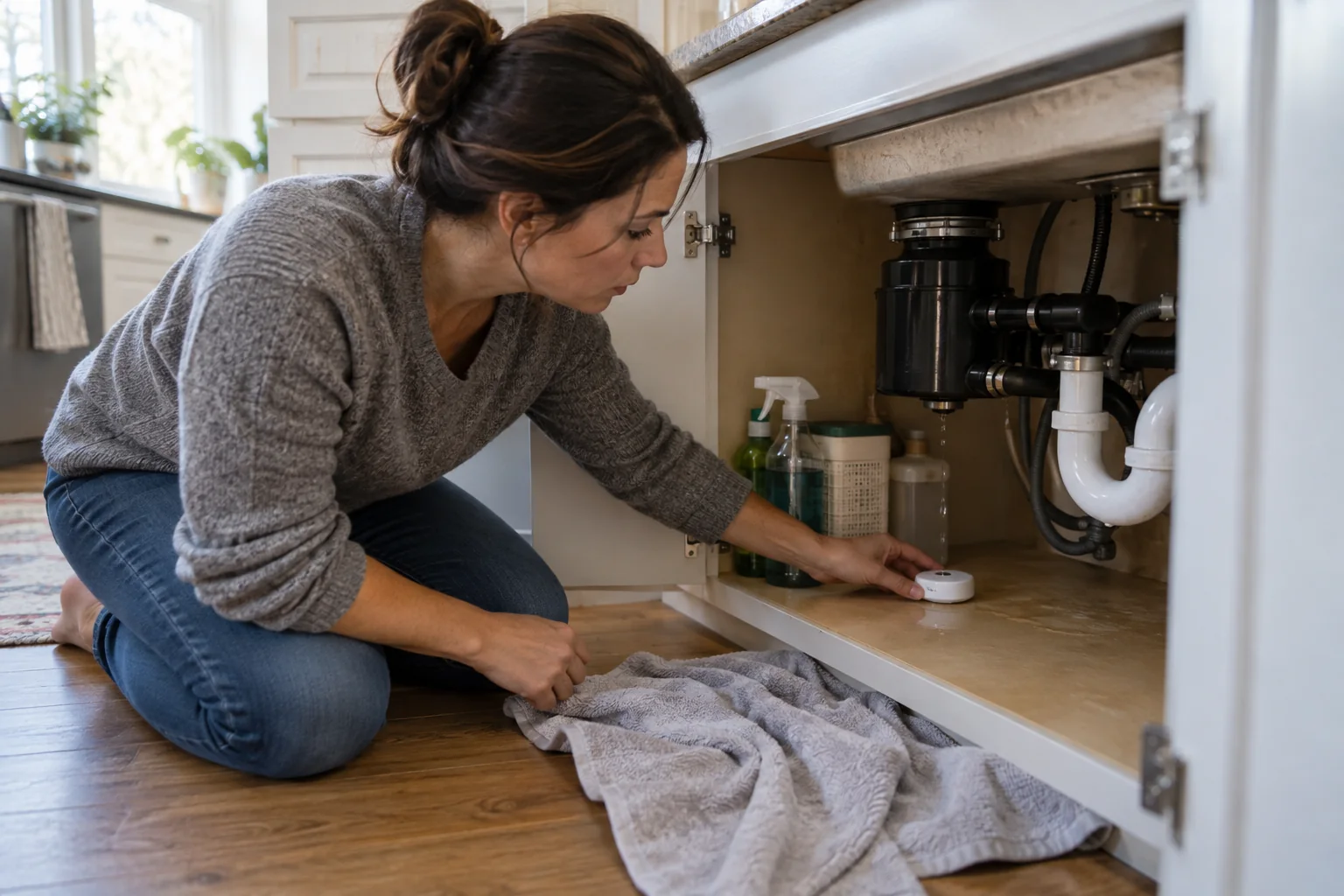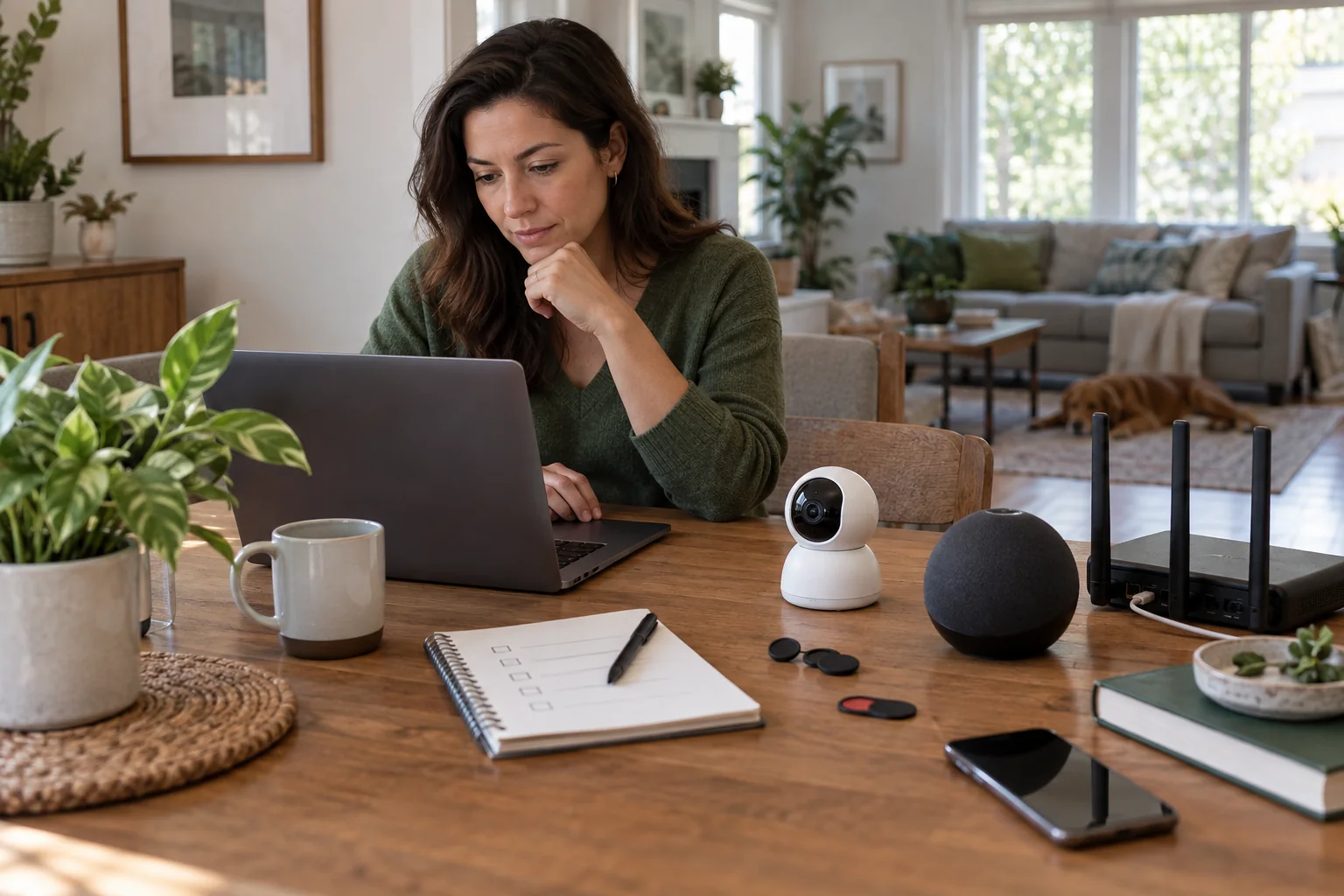
A privacy-first home collects less information, keeps essential actions local when practical and makes permissions visible. It does not require rejecting every cloud service; it requires knowing which service solves which problem and what information that choice creates.
Start with an inventory of devices, accounts, microphones, cameras, storage locations and shared users. Remove or disable anything without a current purpose before buying another privacy-branded product.
Best for
Connected households that want useful lighting, climate and security without casual over-collection.
Skip it if
You are unwilling to maintain accounts, updates and recovery information.
Inventory sensors and data paths
Walk room by room and note every camera, microphone, presence sensor and account. Record whether data is stored locally, in a cloud service or both, and how long recordings remain. A device that no longer serves a clear purpose should be removed or reset.
Distinguish sensing from recording. A contact sensor may reveal when a door opens without collecting audio or video. That smaller data set can solve many lighting and security routines with less intrusion.
Prefer local essentials and segmented networks
Use local automation for essential lights and basic sensor responses where supported. Cloud notifications may still add value away from home, but an internet outage should not remove manual control of locks, lights or climate.
Place untrusted or lightly maintained devices on an isolated IoT or guest network when the router and platform support it, while preserving required discovery. Update the router and devices, disable unused remote services and avoid exposing administration interfaces directly to the internet.
Make access reviews a household ritual
Enable strong authentication and unique passwords. Review household members, shared camera access, old phones and third-party connections twice a year. Account recovery deserves the same attention as login security; document it without storing secrets in an exposed note.
Explain privacy states to guests and family. A physical microphone switch and visible camera placement are more honest than hidden sensing. In private rooms, default to fewer devices and more direct controls.
Before you spend
- Inventory cameras and microphones
- Remove devices without a purpose
- Use local control for essentials
- Separate IoT traffic where practical
- Review users and integrations twice a year